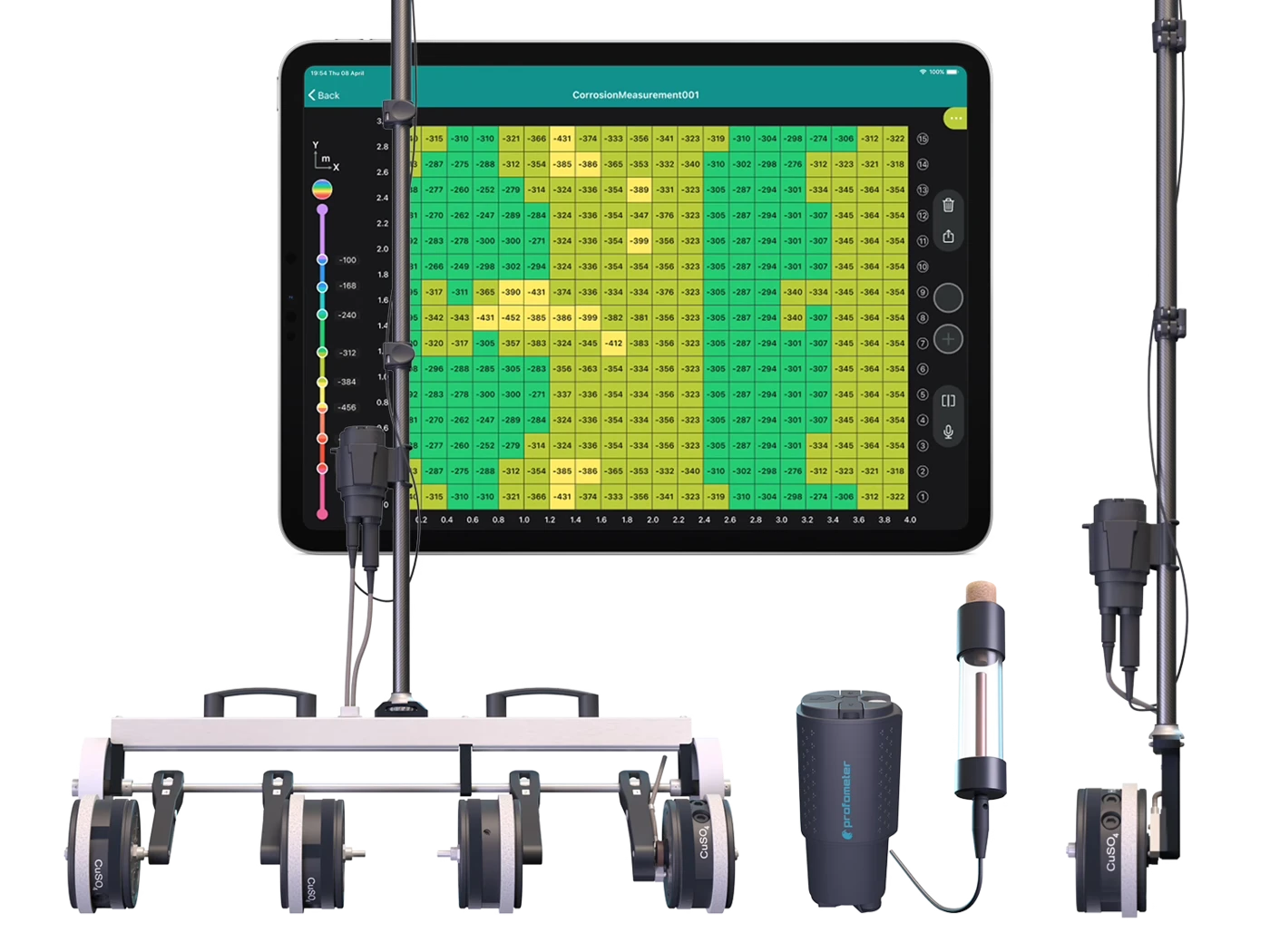

Concrete Condition & Corrosion Surveys
Identify the true extent of concrete cancer before structural failure occurs.
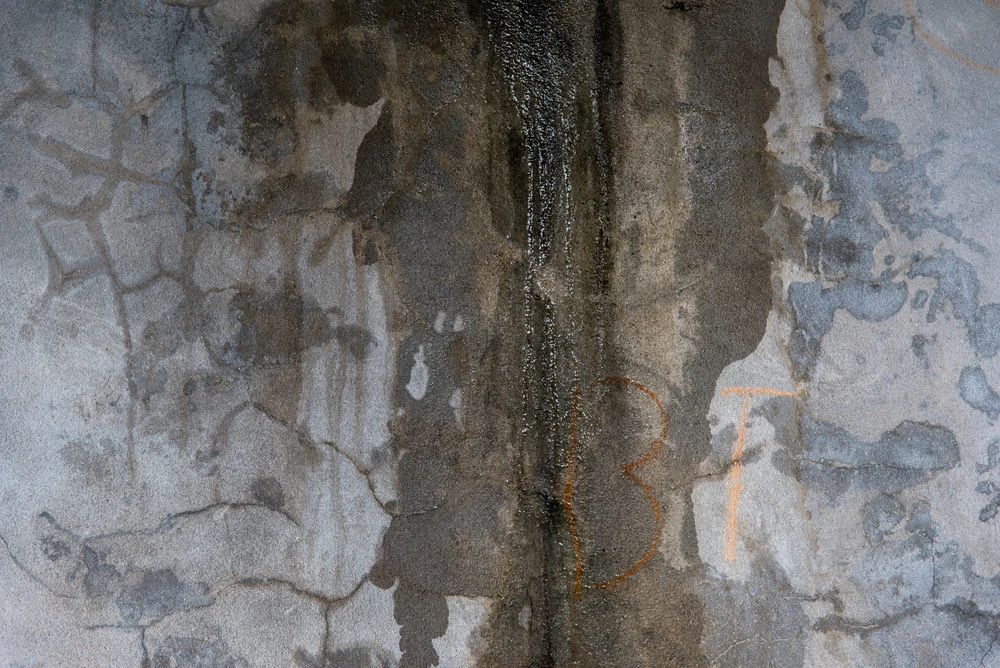
A hairline crack or a minor rust stain on the surface is just the tip of the iceberg. By the time concrete begins to spall, the internal reinforcement has already severely degraded. We use advanced electrochemical testing to map active corrosion before it destroys your structure.
Visual Inspections Are Not Enough
Relying purely on visual surveys is a dangerous strategy for aging infrastructure. The primary drivers of structural degradation—chloride ingress (from road salts or marine environments) and carbonation—attack the steel reinforcement silently from the inside out.
- Chloride Attack: Destroys the steel’s passive protective layer, triggering rapid, aggressive rusting.
- Carbonation: Lowers the alkalinity of the concrete, leaving the entire rebar grid vulnerable to moisture.
- Spalling Hazards: As rebar rusts, it expands up to seven times its original volume, blowing off the concrete cover and creating severe safety liabilities.
The “Diagnose-to-Protect” Advantage
Data-Driven Remediation Strategies
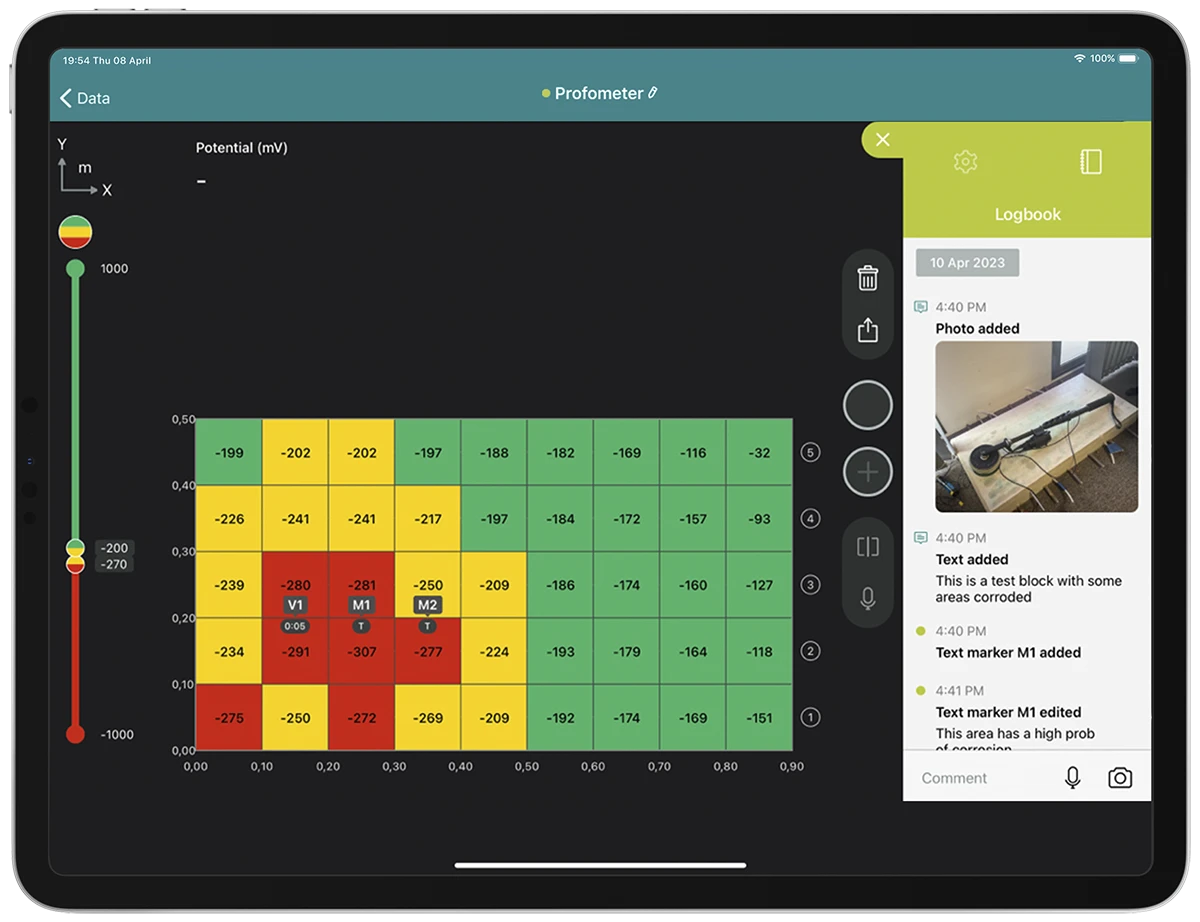
We don’t just hand you a list of defects. We provide the precise, quantitative data your structural engineers need to design the most cost-effective repair strategy.
- Targeted Patch Repairs: Stop breaking out healthy concrete. Our heat maps show your repair teams exactly where the active corrosion stops and starts.
- Cathodic Protection (CP) Design: We provide the baseline electrochemical data required to design and install sacrificial anode or impressed current CP systems, halting future corrosion in its tracks.
- Lifecycle Asset Management: Extend the lifespan of your structure by decades with proactive, rather than reactive, maintenance.
Stop Corrosion Before It Spreads
Protect public safety, halt structural degradation, and stop wasting budget on blind repairs.